
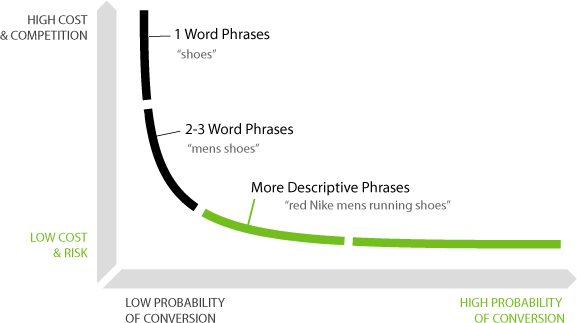
Improving your ranking is what a good search engine optimization strategy is all about.
High quality content and relevant links with other websites are the main weapons in a good SEO arsenal. Employing a sitemap generator for website optimization helps ensure that search engines can easily crawl and index your pages. This tool facilitates better visibility and allows potential customers to find your business more efficiently.
A well-structured sitemap can also enhance user experience by guiding visitors through your content.
These things take time to accomplish. However, one great way of achieving more visitors is targeting longtail keywords that competitors are less likely to use.
Remarketing strategies can also boost your online presence and conversion rates. By re-engaging visitors who have previously shown interest in your products, you can keep your brand top of mind. Utilizing targeted ads and personalized messaging will help you connect with potential customers more effectively.
Longtail keywords are the same as regular keywords. They are the terms that potential visitors would put in a search engine’s search box.
The difference is in both length and style.
Regular keywords comprise one to three words. Longtail keywords tend to have four to seven words. This difference can have massive effects on your results page rankings and the amount of free web traffic your site achieves.
Longtail keywords are more descriptive or specific than regular search terms. Instead of targeting “Buy X” you would target “How Do You Buy X Online.”
This narrows the field of other websites targeting the same keywords. As a result, you reduce the number of sites you need to outrank to claim a high place on the results pages.
A web traffic checker tool such as SEMrush or Ahrefs can help you find longtail keywords. Use these tools to perform keyword research and see which phrases competitors are targeting.
Altering the length of your chosen keywords can eliminate a huge amount of direct competition. This greatly improves the overall effectiveness of your search engine optimization strategy.
The more successful your SEO strategy is, the greater the amount of free website traffic you will get from the search engines.
The importance of search engines to any online business cannot be overestimated. This is especially true for small, independently owned websites.
Major search engines are the most effective way of getting free visitors to your website. You can run online advertising campaigns and buy traffic, but this can be costly for small operations. Understanding website traffic sources explained clearly can help you strategize effectively and maximize your reach.
Leveraging organic search, social media, and referral traffic creates a well-rounded approach to attracting visitors. This enhances visibility and encourages sustainable growth without excessive ad spending.
Effective social media strategies play a crucial role in building a loyal customer base. By creating relevant content and fostering community interactions, you can enhance your brand’s online presence. Analytics tools can provide insights into your audience’s preferences, allowing for more tailored marketing efforts.
Free traffic from search engines is why most website publishers want an effective SEO strategy.
In a website’s early days, profits may not be strong. Because of this, most publishers look to keep expenditure at a minimum. Search engines provide the only feasible route for getting free visitors.
SEO undertaken by website publishers themselves is free, although slower than buying traffic.
An effective SEO strategy will cost a lot in terms of time, but it won’t negatively affect your cash flow directly. However, an ineffective strategy can hurt your website’s revenue. The less successful your dealings with search engines are, the lower your ranking will be. As a result, fewer visitors will reach your site.
What makes for a successful search engine optimization strategy? How can you improve your site’s chances of ranking higher than rivals and attracting organic web traffic?
The major obstacle your website faces is the number of competing websites. Because search engine traffic is free, everybody wants to get it.
The keywords you select determine who your website competes against.
These keywords are the terms that potential visitors would likely put in the search engine’s search box.
Selecting relevant keywords is not difficult. However, the problem lies in the number of other sites that have selected the same keywords. There is no chance that your website will select a keyword that no other site has interest in.
This means your website will compete with thousands of other websites. You may find yourself on page forty of any given results page. Your website will not achieve many visitors from such a lowly ranking.
Improving your website’s ranking requires an effective SEO strategy. This includes creating high-quality content, building strong backlinks, and targeting longtail keywords.
Longtail keywords are longer and more specific than traditional keywords. They can boost your chances of ranking higher by reducing competition. Tools like SEMrush and Ahrefs can help identify longtail keywords your competitors are targeting.
An optimized SEO strategy improves your website’s visibility and increases organic web traffic. This is critical for reducing costs, especially for small businesses. While buying traffic yields faster results, organic traffic remains the most sustainable and cost-effective option long term.