
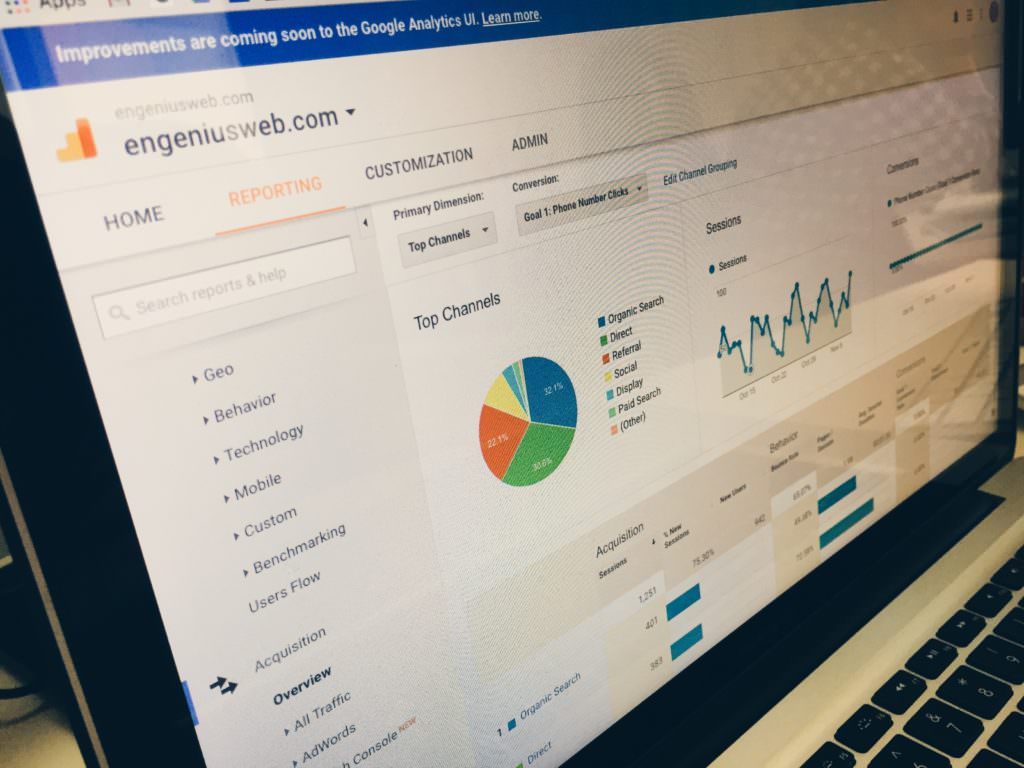
Referral traffic is any website visitor who arrives at your site by clicking a link on another website — not from a search engine, not from typing your URL directly, and not from social media. It’s one of the most trusted traffic sources you can build because it means real people on real sites found your link valuable enough to click. Done right, referral traffic compounds over time and significantly boosts your domain authority.
What Counts as Referral Traffic?
Referral traffic is tracked when a browser sends an HTTP referrer header — essentially a note that says “this visitor came from that URL.” Any click from an external website that isn’t classified as organic search, direct, or social falls into this bucket in your analytics platform.
Common referral traffic sources include:
- Blog posts and editorial links — another site mentions your content and links to it
- Online directories and listings — industry directories, resource pages, or tool roundups
- Forum and Q&A links — Reddit, Quora, or niche community forums
- Partner and affiliate links — co-marketing, sponsorships, or affiliate programs
- News and press coverage — journalists linking to your site in an article
- Email newsletters (sometimes) — links in HTML emails that carry a referrer
- AI chatbot citations — ChatGPT, Claude, and Gemini are increasingly directing users to external sources
What does not count as referral traffic: Google/Bing organic results (that’s organic search), Facebook/Twitter/LinkedIn posts (that’s social), someone typing your URL from memory (that’s direct), and your own paid ads (that’s paid/CPC).
How Is Referral Traffic Different from Other Traffic Types?
Here’s a quick breakdown of the five standard traffic channels and how referral fits in:
| Traffic Type | Source | Example |
|---|---|---|
| Organic | Search engines | Google, Bing, DuckDuckGo |
| Direct | No referrer / typed URL | Bookmarks, typed-in URLs |
| Social | Social media platforms | Facebook, X, LinkedIn |
| Paid | Ads / CPC | Google Ads, Meta Ads |
| Referral | External websites | Blogs, directories, forums |
For a deeper breakdown of all traffic types, see our guide to types of website traffic.
Why Does Referral Traffic Matter for SEO?
Referral traffic does double duty: it sends you real visitors and it tends to come with a backlink, which is one of Google’s top ranking signals.
Here’s why that’s significant:
- Backlinks = authority. Every site that links to you passes a portion of its domain authority (PageRank) your way. More high-quality referring domains = stronger organic rankings.
- It’s evergreen. A link on a popular blog post can drive traffic for years without any ongoing cost or maintenance.
- Better engagement metrics. Referral visitors often convert better than cold organic traffic because they’ve come from a site that pre-qualified them.
- Diversification. Relying 100% on Google is risky. Algorithm updates can wipe organic traffic overnight. Referral provides a buffer.
- AI citation potential. In 2025 and beyond, AI tools like ChatGPT and Perplexity actively pull from well-linked external sources. A strong referral footprint increases the chance of being cited in AI answers.
How to See Your Referral Traffic in GA4
Google Analytics 4 (GA4) segments referral traffic automatically. Here’s how to find it:
- Open GA4 and go to Reports → Acquisition → Traffic Acquisition
- In the “Session default channel group” dimension, look for the Referral row
- Click on “Referral” to drill down and see which specific sites are sending you traffic
- Use the Session source / medium dimension for even more detail (e.g., shopify.com / referral)
Pro tip: Filter out known spam referrers (like traffic bots that inflate numbers). In GA4 you can do this with data filters under Admin → Data Streams → Configure Tag Settings.
Also check the Engagement rate and Conversions columns for each referral source — not all referral traffic is equal. A niche blog that sends 50 engaged visitors often outperforms a spammy directory that sends 5,000 bounces.
How to Increase Referral Traffic: 8 Proven Strategies
1. Publish Link-Worthy Content
The foundation of referral traffic is content that other people want to link to. That means original research, data studies, comprehensive guides, free tools, and calculators. If your content answers a question better than anything else on the web, bloggers and journalists will link to it naturally — no outreach required.
2. Guest Post on Relevant Sites
Writing a high-quality guest post for a respected publication in your niche earns you an editorial backlink, a byline mention, and exposure to a new audience. Target sites with real readership — not link farms. Relevance beats raw domain authority every time. One contextual link from a site your audience already reads is worth dozens of links from unrelated directories.
3. Get Listed in Niche Directories
Industry-specific directories, “best tools” roundups, and resource pages are low-effort wins. A one-time submission to a credible directory can generate referral traffic for years. Examples: G2 and Capterra (for SaaS tools), Clutch (for agencies), Product Hunt (for new product launches), and AlternativeTo (for tool comparisons).
4. Answer Questions on Reddit and Quora
Both platforms send substantial referral traffic when used correctly. The key is to provide genuinely helpful answers first — then link to your site only when it adds real value. Spammy self-promotion gets downvoted and banned. Helpful answers with a contextual link get upvoted, shared, and can drive consistent traffic for months or years as the thread stays visible in search results.
5. Build Partnerships and Co-Marketing
Find complementary businesses that serve the same audience but don’t directly compete. Co-author a guide, run a webinar together, or cross-promote in each other’s email newsletters. Each party links to the other — both sites get a quality editorial backlink and warm referral traffic from a pre-qualified audience.
6. Pitch Your Story to Journalists (Digital PR)
Journalists regularly need expert quotes, statistics, and data sources. Tools like Qwoted, Connectively (formerly HARO), and SourceBottle connect you with reporters actively looking for sources. A single placement in a major publication can generate hundreds of referral clicks and a high-authority backlink that pays dividends in rankings for years.
7. Create Free Tools or Resources
Free calculators, templates, checklists, and datasets attract natural links because other people’s content becomes better when they reference your tool. A well-designed free resource can earn hundreds of organic backlinks with zero outreach — people find it useful and link to it in their own articles without being asked.
8. Supplement with Paid Traffic While You Build Organic Referrals
Building a referral network takes time. While you’re laying that groundwork, paid traffic channels let you maintain consistent visitor numbers and test which content resonates. If you want to buy website traffic to supplement your organic and referral channels, make sure you’re targeting relevant, real visitors — not low-quality bot traffic that inflates bounce rates and skews your analytics.
What’s a Good Referral Traffic Benchmark?
There’s no universal benchmark, but here are some reasonable targets to aim for:
- Referral as % of total traffic: 10–25% is healthy for most sites. Under 5% suggests you may be too dependent on a single source (usually organic search).
- Number of referring domains: More is generally better, but quality matters far more than quantity. 50 links from 50 strong, relevant sites beats 500 links from 500 spammy directories every time.
- Referral engagement rate in GA4: A healthy engagement rate for referral sessions is 50–70%+. If it’s below 30%, the referring site may not be sending qualified or relevant visitors.
- Bounce vs. exploration: Referral visitors who land on one page and leave immediately aren’t ideal. Look for referral sources that send visitors who browse multiple pages or convert.
Common Referral Traffic Mistakes to Avoid
- Chasing spammy links. Low-quality link schemes — private blog networks (PBNs), paid link farms, or mass directory submissions — can trigger Google manual penalties. Focus on earning editorial links from real, relevant sites.
- Ignoring bot traffic. Some “referral traffic” in GA4 is fake — bots and crawlers that send ghost sessions with suspiciously perfect 0-second session durations. Always filter your data before making strategic decisions.
- Treating all referrals equally. A link from a high-authority niche blog is worth far more than a link from a random directory. Prioritize quality over volume in your link-building strategy.
- No UTM tracking on your own links. When you control the linking URL (podcast show notes, email newsletters, partner sites), always add UTM parameters so you can accurately measure the impact in GA4.
- Only measuring clicks, not conversions. The goal isn’t just traffic — it’s qualified traffic that takes action. Always track which referral sources actually convert, not just which send the most raw sessions.
The Bottom Line
Referral traffic is one of the highest-value traffic types you can earn. It brings pre-qualified visitors, passes link equity that improves your organic rankings, and reduces your dependence on any single channel. The best strategy combines publishing genuinely link-worthy content, building real relationships in your niche, and being active in communities where your audience already hangs out. Stack referral traffic on top of your other channels — organic, social, and paid — and you’ll build a website that’s resilient, authoritative, and growing year over year.