Recipe Bloggers: How to Survive When Google Cooks Your Traffic
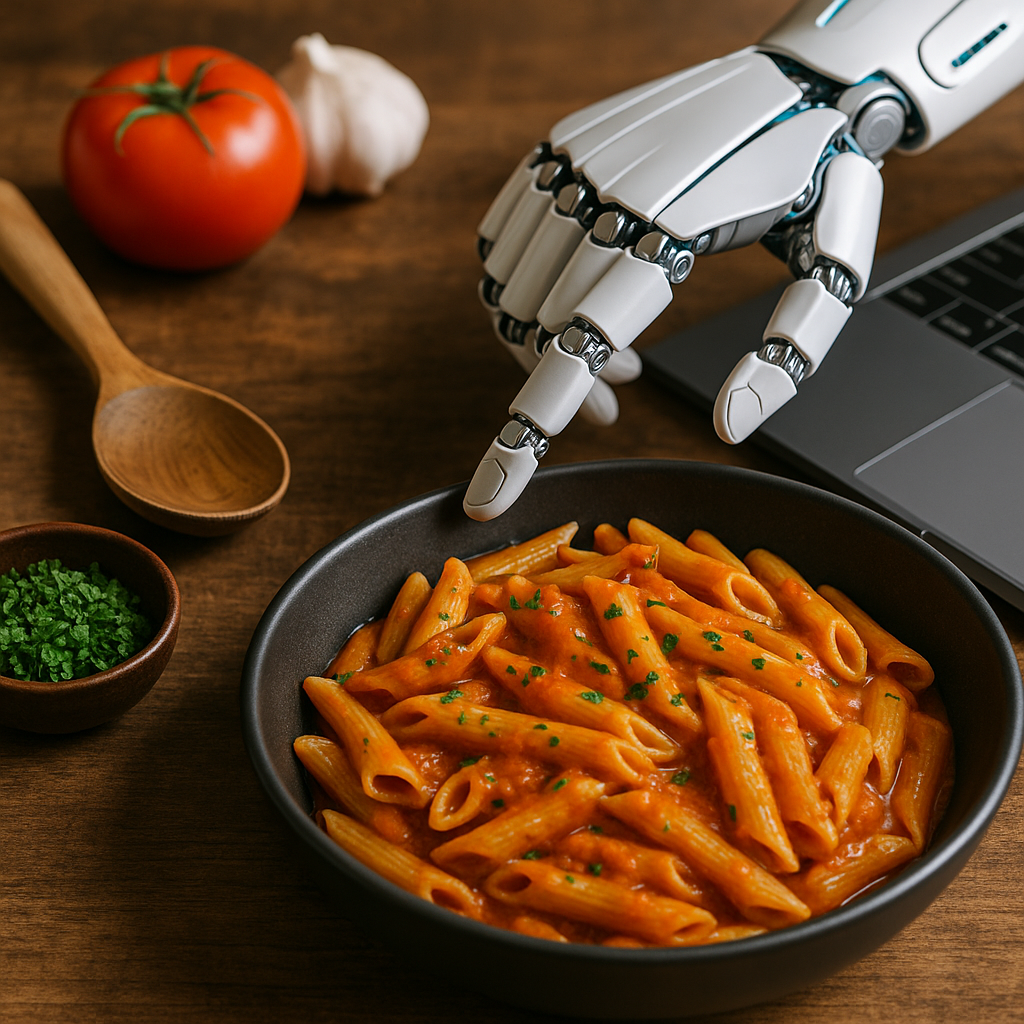
Food bloggers have seen traffic plummet since Google’s AI Overviews rolled out in March 2024. Many report 60–65% drops across previously top-performing recipes. Search queries like “easy chicken tikka masala” now show full AI-generated cooking summaries. These summaries often pull content directly from your blog without sending you a click.
As a result, bloggers are focusing on strategies that prioritize unique content and personal storytelling. Engaging with audiences through social media and email newsletters creates loyal followers. These followers are more likely to visit your site directly. Additionally, collaborations with other creators may open new channels and broaden your reach.
Pinch of Yum recently shared their own experience: an 80% drop in traffic from Google, with zero warning.
This change is more than a dip if you’ve built your business around SEO. It’s an existential threat. However, recovery is possible—with the right pivots.
Why Recipe Sites Got Hit So Hard
AI Overviews are designed to satisfy search intent instantly. For cooking queries, that means:
- Summarizing the full recipe inline
- Displaying prep and cook times
- Listing ingredients in bullet format
- iOS and Android traffic bounced due to social media apps vs websites.
The user never clicks. Your structured content gets harvested, and your page gets ignored.
This shift hits food blogs especially hard because:
- They rely heavily on SEO-driven traffic
- Monetization depends on ads (RPMs) and affiliate links
- Recipes are inherently formulaic—easy for AI to summarize
Traffic won’t come back on its own unless you act.
How to Adapt — and Rebuild What You’ve Lost
1. Shift Your Recipe Content Strategy
Stop writing purely for search. Google doesn’t reward it anymore.
Instead, lean into what AI can’t replicate:
- Personal narrative – Tell the story behind the dish. Was it your grandma’s? Did it come from a trip to Vietnam?
- Culinary expertise – Explain why certain techniques or ingredients matter
- Unique formats – Use galleries, ingredient swap charts, or embedded timers
Google is optimizing for robots. You should optimize for people.
This aligns with Google’s own EEAT guidelines. These guidelines still favor content with experience and authority. However, don’t count on search alone.
2. Build a Newsletter You Control
Subscribers are leverage. Traffic is temporary.
Use your blog to grow an email list that delivers:
- Weekly recipe roundups
- Seasonal cooking guides
- Subscriber-only bonus recipes
Tools like ConvertKit and MailerLite make segmentation easy. You can organize by diet (vegan, keto, gluten-free) or content format (quick meals vs. slow cooking).
A good list is your best hedge against algorithm changes.
3. Expand to Platforms AI Can’t Scrape (Yet)
- Instagram Reels & Stories – Fast-paced, visually-driven recipes outperform blog links
- YouTube – Voice + face = trust. Short cooking videos still generate strong engagement
- TikTok – Behind-the-scenes and “kitchen hacks” draw new audiences fast
Tailor each post to the platform’s native style. Don’t repost the same content everywhere.
Check out Minimalist Baker’s Instagram and Fitwaffle’s TikTok to see how food creators are thriving off-platform.
4. Test Paid Traffic to High-Converting Content
Organic reach is shrinking. Paid traffic is now a necessity for many blogs.
At Traffic Masters, we help content creators test affordable traffic options. These include Pinterest clicks to recipe lead magnets, newsletter feature placements, or recipe ad funnels. High-quality images and engaging graphics enhance advertisement appeal. They lead to higher click-through rates. By prioritizing visual elements, you can better convey your brand message.
You don’t need to spend thousands to see results. Start small:
- Promote a free PDF download (7-Day Meal Plan)
- Retarget Instagram viewers with your best recipe content
- Drive traffic to email opt-ins, not just blog posts
Even $5–$10/day can make a difference when paired with conversion-focused content.