Programmatic SEO: What It Is, How It Works, and When to Use It
Programmatic SEO creates large numbers of web pages at scale using templates and data. Done correctly, it lets a single website rank for thousands of related keywords simultaneously. However, done incorrectly, it triggers Google spam penalties and kills your traffic overnight.
What Exactly Is Programmatic SEO?
Programmatic SEO (often shortened to pSEO) generates keyword-targeted pages automatically by combining a page template with a database of variable data. Instead of writing 500 individual articles, you build one template and populate it with 500 unique data sets.
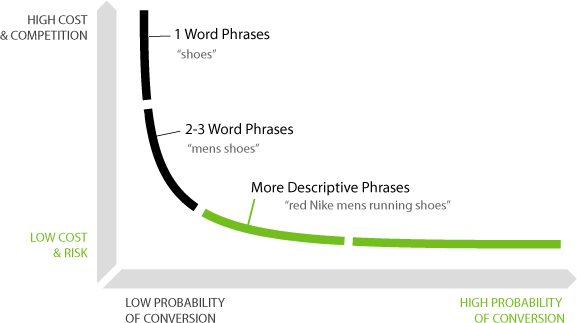
The core idea is straightforward. Find a keyword pattern with high search volume across many variations. Then create a unique page for each variation. Every page shares the same structure. What changes is the data that fills it.
Think of it as the difference between baking one cake by hand versus using a mould and a production line. The mould (template) stays the same. The flavour (data) changes every time.
How Does Programmatic SEO Actually Work?
The technical process has three components working together:
1. A head term and modifier system. You identify a core keyword pattern — like “[city] + plumbers” or “convert + [currency A] + to + [currency B].” This pattern must have consistent search demand across hundreds or thousands of variations.
2. A data source. This is the engine. You need a structured database containing unique information for each page variation. This includes location data, product specs, prices, reviews, or statistics. Without unique data, you end up with duplicate thin content that Google will penalise.
3. A page template. A fixed layout dynamically pulls in the relevant data for each variation. This ensures consistency while keeping each page technically unique.
The output is a set of pages that each target a specific long-tail keyword. Individually, those keywords may have modest search volume. However, collectively they can drive enormous traffic.
What Are the Best Programmatic SEO Examples?
The most cited examples are large platforms that built their businesses on this model:
Wise generates over 8.5 million currency converter pages. Each covers a specific currency pair combination, including amounts like “convert 2,000 Maldivian rufiyaas to New Zealand dollars.” Those pages drive over 100 million visits per month. This works because each one contains real-time rate data, historical charts, and actual conversion functionality.
Tripadvisor dominates “things to do in [city]” searches globally. Their pages follow an identical template structure. However, they are populated with location-specific attractions, user reviews, and booking data unique to each destination.
Zapier built 590,000+ integration pages — one for every possible app combination in their platform. Their /apps/ subfolder alone drives over 610,000 organic visits per month. All from pages like “Connect Calendly to Google Sheets.”
Zillow turns raw property data into hyper-local pages covering every city, neighbourhood, and property type in the US. The result: 243 million organic visits every month.
Every successful example involves proprietary data that makes each page genuinely distinct and useful. That is not optional.
Who Should Use Programmatic SEO — and Who Shouldn’t?
Programmatic SEO works best when you have three things aligned:
- A repeatable keyword pattern. The search query has a consistent structure with many variations (city names, currencies, product types, integrations).
- Unique data for each variation. You have access to a database, API, or proprietary dataset that makes each page meaningfully different.
- A reason users will return or convert. The page should solve a real problem — not just rank for a keyword.
If you have all three, pSEO can be a genuine growth lever. However, if you’re missing the data component, it will not work. Attempting it is likely to do more damage than good.
Who should avoid it: Service businesses with a single location. Brands with no structured data asset. Anyone looking to generate AI-written content at scale without real data differentiation. Google has explicitly flagged programmatic approaches as frequent sources of spam. The risk is real.
What Are the Biggest Risks of Programmatic SEO?
This is the section most guides skip. Don’t.
Thin content penalties. Google’s John Mueller has publicly stated that “programmatic SEO is often a fancy banner for spam.” If your pages offer little unique value, Google can and will deindex them. This can take your entire domain’s authority down with them.
Crawl budget waste. Thousands of low-quality pages can consume your crawl budget. As a result, Googlebot spends time on junk pages instead of your important ones. This can suppress rankings site-wide.
Cannibalisation. Poorly structured pSEO campaigns create pages that compete with each other for the same queries. This dilutes rankings instead of building them.
AI content flags. In 2026, sites flooding the index with AI-generated programmatic content are under heightened scrutiny. The strategy still works — but only if the data quality is high enough that each page would pass a manual quality review.
How Do You Build a Programmatic SEO Strategy?
Here is a practical overview of the process, stripped of enterprise complexity:
Step 1 — Find your head term pattern. Use keyword research tools to identify a keyword template with high volume across variations. Look for patterns like “[adjective] + [noun] + for + [use case]” or “[software A] vs [software B].” G2 built an entire review site on the latter model.
Step 2 — Audit your data assets. What structured data do you own or can access? Customer reviews, product specifications, pricing data, location attributes, performance benchmarks — any of these can power a pSEO campaign.
Step 3 — Build your template. Design a page layout that works for every variation. Keep the structure tight: a clear header with the target keyword, the core data for that variation, supporting context, and a relevant CTA. In 2026, no-code tools like Webflow CMS, Airtable-to-WordPress pipelines, and various traffic-focused CMS setups make this achievable without a full dev team.
Step 4 — Start small and validate. Don’t launch 10,000 pages on day one. Build a batch of 50–100 pages, let them index, and measure traction within 60–90 days. If individual pages rank, scale up. If they sit at zero, diagnose the problem before multiplying it.
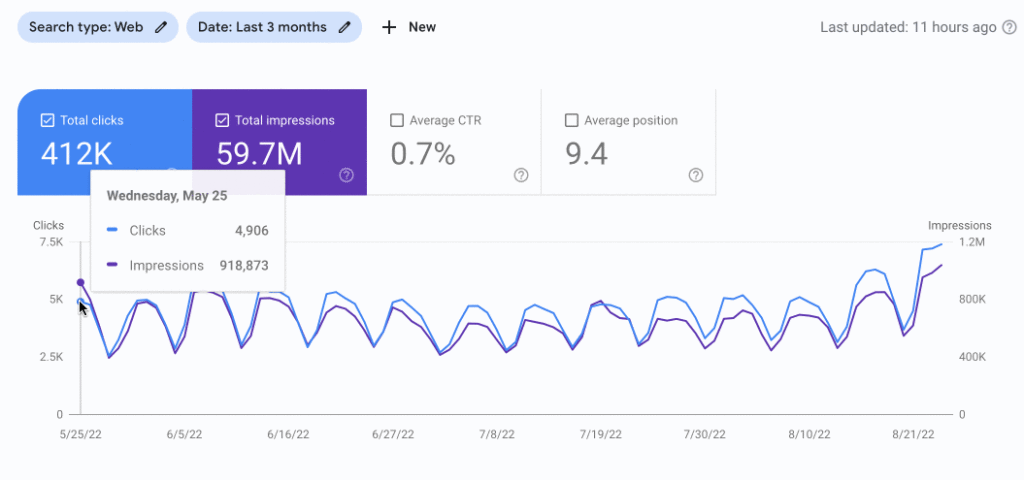
Step 5 — Monitor quality signals. Watch your crawl stats in Google Search Console. Track indexed vs. submitted pages. If Google is refusing to index a high percentage of your pSEO pages, improve content quality before pushing more volume.
Does Programmatic SEO Still Work in 2026?
Yes — but the bar has risen significantly. The sites winning with pSEO today are not creating pages at scale. They are creating pages that contain data users cannot find elsewhere. That is the threshold.
AI has made the generation side easier. However, it has also made Google’s spam detection more sophisticated. As a result, the bar is higher for what constitutes genuinely useful programmatic content.
The sites winning with pSEO in 2026 share one trait: they build real tools or real data resources, not page templates. Wise’s pages work because they include live exchange rates. Zapier’s pages work because they let users set up workflows. Tripadvisor’s pages work because they contain real user reviews for real places.
If your programmatic content can pass that test, it is worth building. If it cannot, no volume of pages will save it.
Programmatic SEO vs. Traditional Content: Which Is Better?
They solve different problems. Traditional content targets informational queries where nuance, depth, and authority matter — articles like this one. Programmatic content targets high-intent, variable queries where consistency and data coverage matter more than narrative depth.
Most sites benefit from both. You might use traditional SEO to rank for “what is programmatic SEO.” Meanwhile, you could use a pSEO approach to rank for thousands of “[tool A] vs [tool B]” comparison pages — if you have the data to make them useful.
The same logic applies to traffic strategy more broadly. Organic content builds long-term authority. Paid approaches, including options to buy traffic, can accelerate visibility while organic rankings develop. Neither replaces the other.
Quick-Reference: Is Programmatic SEO Right for You?
Run through this checklist before committing:
- ✅ You have a keyword pattern with hundreds of clearly distinct variations
- ✅ You have a unique data source for each variation
- ✅ Each generated page would pass a manual quality review
- ✅ You can monitor indexing and quality signals post-launch
- ❌ You want to publish AI-generated content without a differentiating data asset
- ❌ Your “data” is just rephrasing the same information with different city names
- ❌ You have a small domain with limited authority and cannot absorb a quality penalty
Programmatic SEO is one of the most powerful organic traffic strategies available — and one of the easiest to execute badly. The difference between scaling to millions of visits and getting deindexed often comes down to one question: does each page offer something the user genuinely needs?
Answer yes, and programmatic SEO is worth building. Answer no, and build the data asset first.